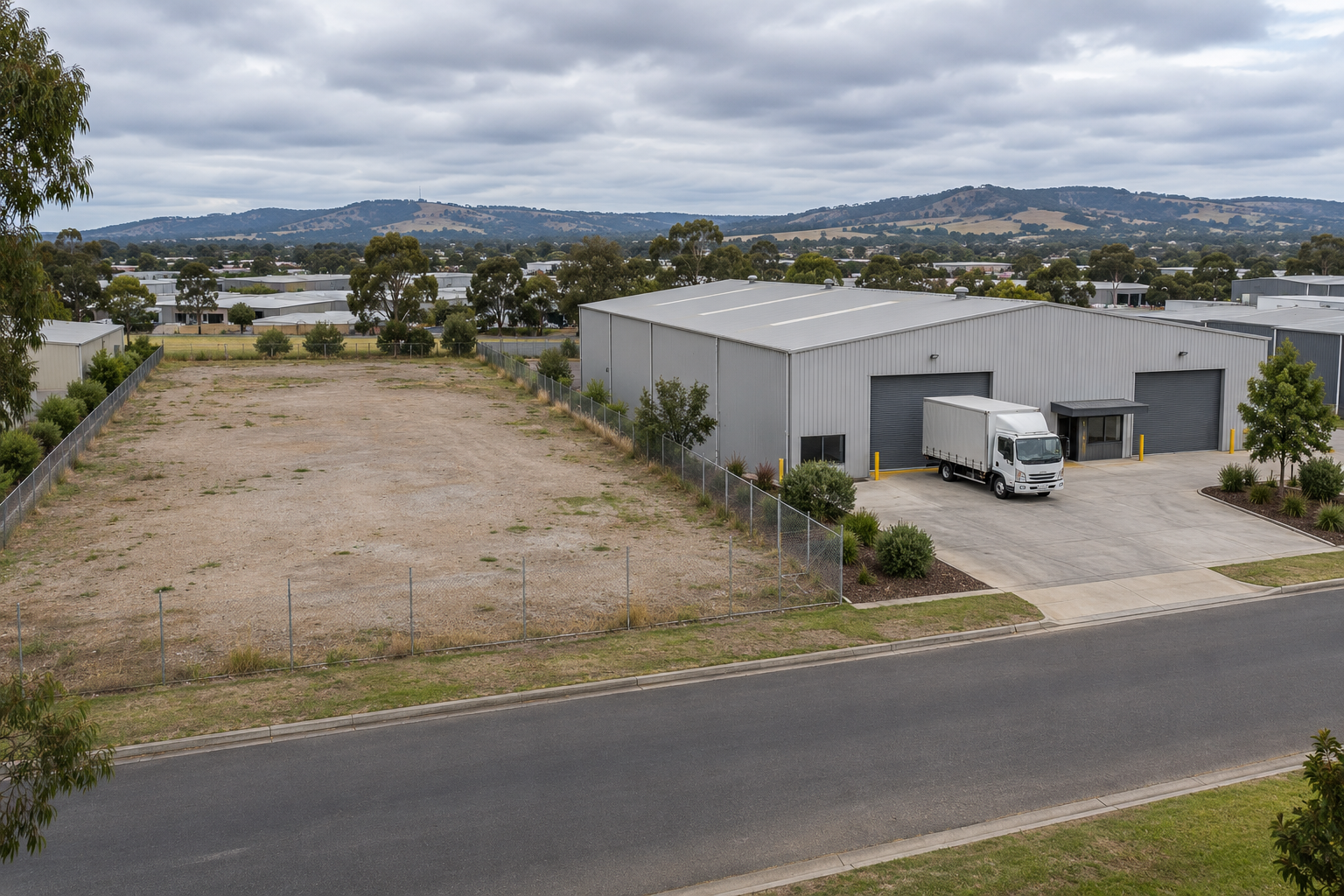
A business looking at industrial land for sale may see room for a purpose-built warehouse, a larger loading yard or an extension down the track. The decision becomes clearer once the team lists what the site needs to handle on a busy day, from incoming deliveries to staff parking. An existing building listed as industrial property for sale may bring the move-in date forward if its layout and services already suit the business. A useful comparison starts with how each option would work in practice and what needs to happen before operations can begin.
Follow the Route From the Gate to the Loading Area
Two sites with similar land areas can work very differently. A wide frontage may give trucks more room to enter and turn, while a narrow block can make it harder to accommodate loading, parking and storage at the same time. The operations team can sketch the path of its largest regular delivery vehicle from the street to the unloading point and back out again. It helps to mark where staff park, where visitors enter and what happens when a second vehicle arrives before the first has finished unloading.
For an existing warehouse, that same exercise should continue through the roller door. A building may look generous in a listing, yet its columns, door heights or internal clearances can limit where racking and equipment go. Measuring the spaces that matter and drawing the proposed layout to scale can reveal problems early. A distributor might find enough room for shelves but too little floor space to stage outgoing orders. A workshop might have ample working space but no convenient route to bring large equipment inside.
Check What the Site Can Support
For vacant land, a concept plan is useful once the buyer understands the constraints affecting the parcel. In Victoria, a planning property report shows the planning zone, relevant overlays and links to the applicable planning scheme provisions. The report gives the buyer and their planner a starting point for checking the intended use and discussing the proposal with the council. A land survey and preliminary site investigations can then help the team assess how the block’s shape, levels and ground conditions might affect the building footprint.
Service capacity deserves an early check on both options. For a vacant site, the team can ask where electricity, water and sewer connections would run and when they could be available. For an existing building, the question is whether the current services are adequate for the proposed operation. A business moving from storage into light manufacturing, for example, can ask its equipment supplier for the expected electrical load and have an electrician compare that with the building’s available supply. That gives the buyer a clearer picture of any work needed before equipment can be commissioned.
Compare the Time and Work Needed to Move In
An existing warehouse may need racking, office alterations or repairs before it can support the business. A vacant site brings a different sequence, with design, site preparation, construction and fit-out to schedule. Putting both options on a timeline helps the team see which steps depend on one another. If the business has to leave its current premises by a fixed date, the comparison should include how long it may need temporary storage and whether it can stage the move without interrupting deliveries.
The same exercise makes the purchase prices easier to compare. A vacant block may have a lower asking price, while the existing warehouse may require fewer steps before staff can begin using it. Listing the work each option needs, getting estimates for the larger items and recording which costs are still unknown gives the buyer a comparable picture. Site access, service capacity and the time needed to move in can shape the comparison between vacant industrial land and an existing building. If the decision is close, revisiting the busiest day in the operation can show which property gives the business enough room to work and grow.